

1 min read

Are you an overly accommodating service professional?

Are you an overly accommodating service professional?

Does this sound like you?

You are really accessible to your clients - often too accessible. Clients text you at 10 o’clock at night asking to reschedule their 7am appointment. They email you the day before their membership payment is due, asking to put it on hold. In the early stages of building your business you may not mind, but as your clientele grows it becomes ever more important to create client guidelines and policies for these types of interactions.

As a service professional you strive to cultivate and maintain great relationships with all of your clients. However, having a great relationship with a client doesn’t mean you need to discount your services, waive your late cancellation fee, or respond to a text at 10pm. You can have great relationships and still enforce your business policies.

New personal services business owners often express that they don’t want to disappoint, afraid that if they say “no” they will lose the client. Or they believe that being “flexible” and responsive to each client’s request is a differentiator that helps them retain clients. Flexibility is nice, but often your demonstrated flexibility results in clients expecting you to be ever more flexible. The result: you create more work for yourself—work that could be mitigated with a simple set of policies and guidelines for how your practice operates.

You can think of business processes and policies as boundaries that protect your personal time and ultimately your business. Some items to consider:

Are your services best delivered in a specific sequence? How do clients engage your services? How and when do they pay you? How do they disengage? Formalizing these policies and setting expectations with your clients on day one can help prevent you from being put in an awkward position where you feel pressure to not disappoint.

The following are all completely reasonable policies for a personal services business:

  • Late cancellation fees on appointments

  • Advance notice in writing for membership holds and cancellations

  • Hold fees and early cancellation fees on memberships

  • Enforced class capacity because of room size and equipment

  • A prescribed path for clients to follow that you’ve determined leads to the best outcome

I’m not saying you should never make exceptions—just that exceptions should be the exception.

Set yourself up for success—create your policies and stick to them!


The Hidden Revenue Stream: How Gift Cards and Add-Ons Boost Your Bottom Line

The Hidden Revenue Stream: How Gift Cards and Add-Ons Boost Your Bottom Line

The Overlooked Opportunity Most studio owners spend their energy filling classes and booking appointments. That’s the core revenue, so it makes...


Read More
Why Multi-Factor Authentication is Essential for Account Security

Why Multi-Factor Authentication is Essential for Account Security

Protect your business and client data from unauthorized access with multi-factor authentication—a critical security layer that goes beyond passwords...

Read More
Pike13 and Stripe: A Winning Combination

Pike13 and Stripe: A Winning Combination

Whether you run a fitness studio, yoga center, or any other membership-based business, managing registrations, payments, and customer data can be...
Read More
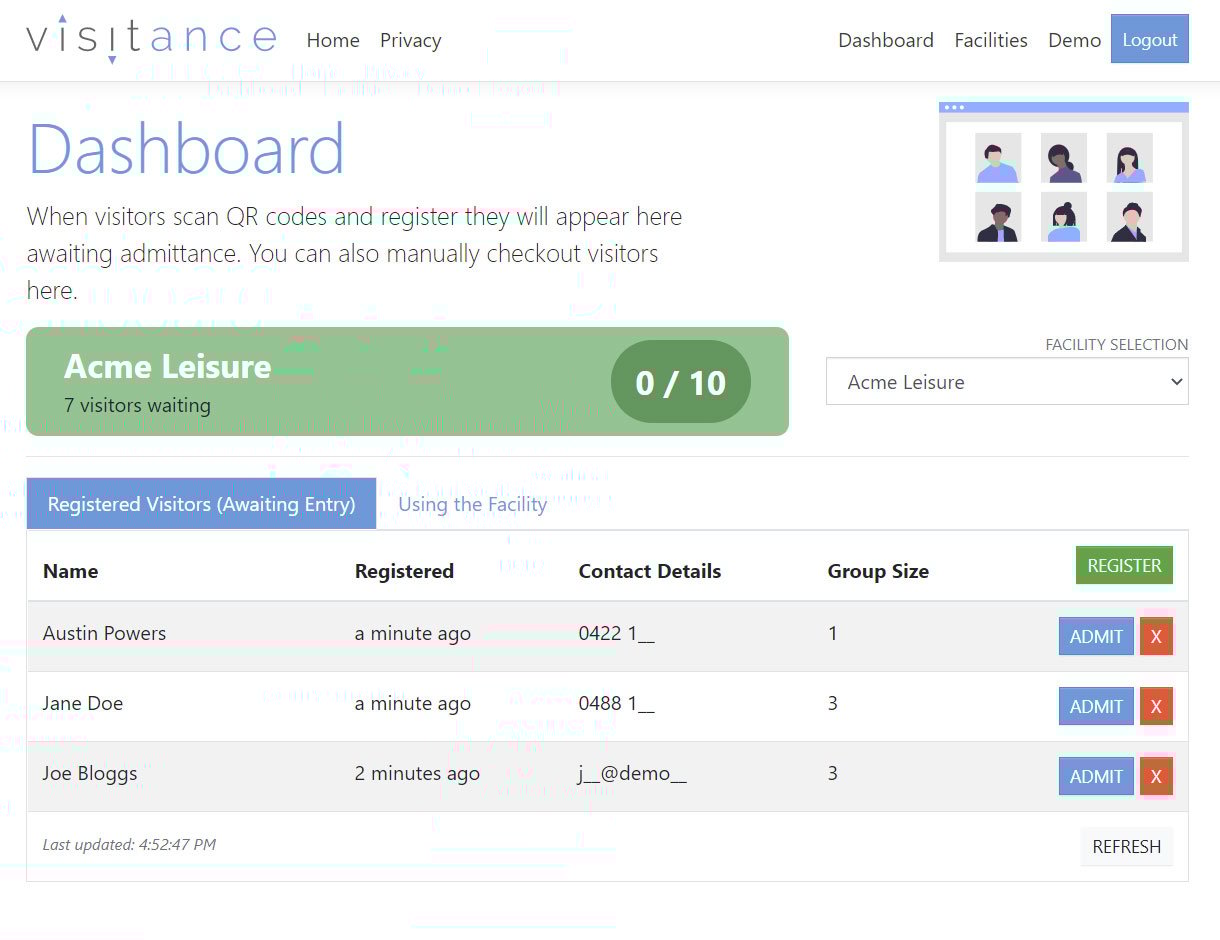
A Free Tool to Manage Contact Tracing and Enforce Facility Capacity

A Free Tool to Manage Contact Tracing and Enforce Facility Capacity

It’s exciting that businesses are starting to open their doors again, although the COVID-19 threat is far from gone. We all have to be extra careful...
Read More
Organize and Optimize Client Communications with New LoopSpark Integration

Organize and Optimize Client Communications with New LoopSpark Integration

Pike13 is pleased to announce a new integration with LoopSpark, a powerful client communication tool. LoopSpark enables you to build and manage email...

Read More
How’s business? An honest assessment

How’s business? An honest assessment

How many times have you been party to this classic exchange? “Hi, how are you doing?” “Fine, thanks.” End. “Fine, thanks.” Those two overspoken,...

Read More